Surfboard Design: A Designer’s Review for Summer Stitching
As an embroidery designer who has spent countless hours digitizing and testing files, I approach every new machine embroidery design with a critical eye. It is not enough for a pattern to look good on a screen; it must hold up under the needle, survive the wash cycle, and appeal to the end customer. Recently, I evaluated Surfboard, a design that promises to capture the laid-back essence of coastal living. After running it through several test hoops and considering its application in real-world craft business scenarios, I have formed a clear opinion on where this file shines and where it requires careful handling.
First Impressions and Visual Mood
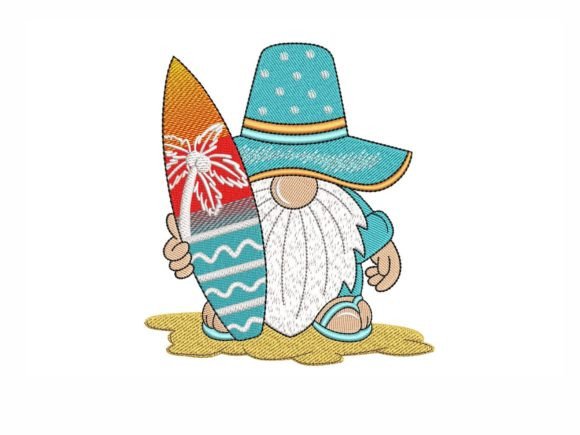
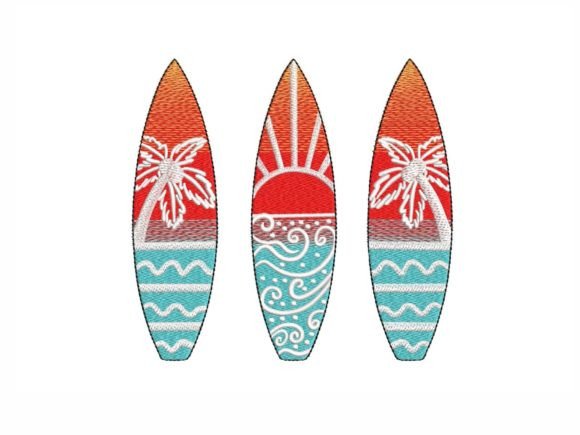
The immediate appeal of Surfboard lies in its thematic clarity. It does not try to be overly complex or abstract. Instead, it leans into recognizable summerish patterns and surfboard silhouettes that evoke nostalgia and leisure. For a designer, this simplicity is a double-edged sword. It makes the design versatile, but it also demands precision in execution. If the lines are too thick, the design looks clumsy; if they are too thin, they may break during stitching.
In my initial review, the layout felt balanced. The visual personality is friendly and approachable, making it an ideal candidate for products that rely on emotional connection, such as personalized gifts or boutique merchandise. It does not scream for attention but rather invites a second look, which is often what drives engagement on platforms like Etsy.
Real-World Application: The Tote Bag Test
To truly understand how Surfboard performs, I moved beyond digital mockups and stitched it onto a canvas tote bag. This is a common item for small shop owners and Etsy sellers looking to capitalize on seasonal trends. The goal was to create a durable, stylish accessory that could serve as both a beach essential and a everyday carry-all.
Using a medium-weight stabilizer, I found that the design sat well on the textured fabric. The fill stitch areas provided solid coverage without causing excessive puckering, a common issue with larger designs on unstructured bags. The result was a clean, professional-looking tote bag design that held its shape. Customers browsing for handmade products often look for this level of finish. A sloppy stitch out can ruin the perceived value of a handmade product, but this design, when executed correctly, enhances brand consistency and professionalism.
Versatility Across Product Lines
One of the strongest assets of Surfboard is its adaptability. While it naturally fits into the Summer category, its application extends far beyond beach towels. I considered how this embroidery file would translate across different items:
- Custom Apparel: On a cotton t-shirt, the design works well as a chest pocket accent or a larger back print. However, care must be taken with thread colors to ensure contrast against the fabric.
- Sweatshirt Embroidery: The density of the design holds up well on thicker fabrics like fleece or French terry. It adds a touch of personality to otherwise plain custom apparel.
- Baby Embroidery: For onesies or burp cloths, the playful nature of the surfboard theme is appealing. However, I would recommend scaling down the design to fit smaller hoop sizes and ensuring no scratchy satin stitch edges are left exposed.
- Home Decor: Stitched on pillowcases or framed as art, the design brings a relaxed vibe to interior spaces. It works particularly well on neutral linens where the thread colors can pop.
For those selling digital embroidery files or finished goods, this versatility means you can market the same asset to multiple niches, from nursery decor to holiday gifts for beach lovers.
Technical Considerations and Pitfalls
While Surfboard is robust, it is not without its challenges. As a reviewer, I must highlight where caution is needed. The design includes detailed corners and potentially dense stitch areas. On stretchy fabrics, such as performance wear or thin jersey, there is a risk of distortion if the stabilizer is not chosen carefully. Always use a cut-away stabilizer for garments that will be washed frequently to maintain the integrity of the finished product.
Additionally, if you are planning to use this on curved surfaces like caps, test the stitch density first. High-density fills can cause the cap to pucker or the needle to break if the fabric is too tight. For embroidered patch creation, ensure that the edges are properly secured with a satin stitch border to prevent fraying over time.
Another critical factor is color contrast. On dark fabrics, light thread colors may require an underlay or a backing to prevent the fabric color from showing through the stitches. I recommend testing the design in black and white mockups first to check for visibility issues before committing to expensive threads.
Commercial Viability and Branding
For craft business owners and commercial embroidery professionals, the question is always about return on investment. Does Surfboard add value? In my assessment, yes. It offers a high perceived value due to its clean lines and trendy theme. It fits seamlessly into collections focused on coastal living, vacation rentals, or outdoor lifestyles.
When creating printable mockups for your online store, this design photographs well. Its distinct shapes make it easily recognizable in thumbnail images, which is crucial for click-through rates on platforms like Etsy. Furthermore, because it is not overly intricate, it stitches out relatively quickly, allowing for higher production volumes without sacrificing quality. This efficiency is vital for small shop products where time is money.
Practical Designer Notes
Before you load this design assets into your machine, keep these practical tips in mind:
- Test on Scrap Fabric: Never run a new design directly on your final product. Use similar fabric and stabilizer to check for tension issues.
- Check Licensing: Confirm whether the license allows for commercial use if you plan to sell finished items. Most designers provide clear terms, but it is your responsibility to verify.
- Inspect Small Details: Zoom in on the digital file to ensure there are no stray stitches or overlapping paths that could cause thread breaks.
- Thread Selection: Choose high-quality rayon or polyester threads that match the summer vibe. Bright blues, sandy beiges, and sunny yellows work well, but avoid clashing combinations.
- Hoop Size Confirmation: Ensure your machine’s hoop size accommodates the design dimensions. If the design is large, consider splitting it or using a larger hoop if available.
In conclusion, Surfboard is a solid addition to any embroidery library. It balances aesthetic appeal with practical stitchability, making it suitable for a wide range of projects from holiday embroidery gifts to everyday small shop product listings. With proper preparation and attention to detail, it can elevate your portfolio and delight your customers.