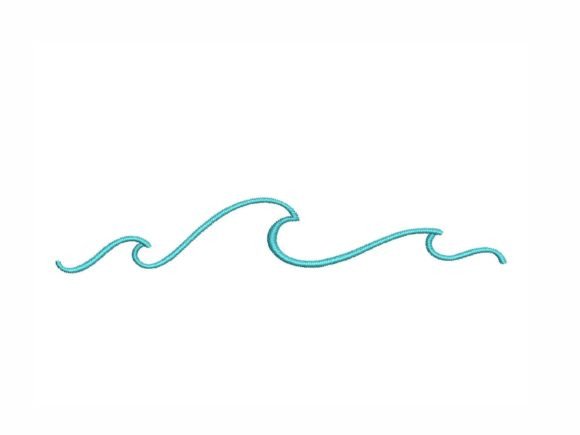
Wave Embroidery Design: A Designer’s Review
As an embroidery designer who spends hours digitizing and testing files for commercial use, I am always cautious about adding new assets to my library. The market is saturated with generic motifs, so when I encountered the Wave machine embroidery design on Creative Fabrica, I approached it with a critical eye. This is not just about downloading a pretty picture; it is about determining whether this digital embroidery file can withstand the rigors of real-world production, from custom apparel to boutique home decor.
The visual mood of Wave is immediately calming yet dynamic. It captures the fluid motion of the ocean without relying on overly complex shading that might cause thread breaks or excessive bulk. For those of us in the Travel and Embroidery niche, finding a design that evokes the seaside without looking cliché is a challenge. Wave manages to strike a balance between decorative appeal and technical feasibility. The stitching personality leans towards clean lines and balanced fill areas, making it a versatile candidate for various handmade products.
Real-World Application and Project Fit
Before committing to a large order, I mentally mapped out where Wave would perform best. The description suggests using this ocean-related embroidery design on t-shirts, beach towels, pillowcases, and bed sets. In my experience, these are solid starting points, but the potential extends further. I considered using Wave for a summer collection of tote bag designs. The curvature of the wave motif fits naturally on the flat surface of a canvas tote, allowing the satin stitch elements to catch the light beautifully.
For custom apparel, such as sweatshirt embroidery, the design offers enough presence to be noticed without overwhelming the garment. I also see strong potential for Wave in the nursery decor market. A soft blue thread palette on a white baby blanket could create a serene, personalized gift that parents would cherish. Additionally, the scale of the design seems appropriate for embroidered patches, which are currently trending among creative entrepreneurs and Etsy sellers. Whether applied to a denim jacket or a backpack, the wave motif adds a touch of wanderlust that resonates with buyers seeking unique, handmade items.
Technical Performance and Stitching Considerations
When evaluating any machine embroidery design, the technical execution is paramount. Wave appears to utilize a mix of stitch types, likely incorporating satin stitch for the outlines and fill stitch for the body of the wave. This combination is standard for achieving definition, but it requires careful attention to stitch density. If the density is too high, the fabric may pucker, especially on lighter materials like cotton voile or silk blends used in high-end pillow covers.
I recommend testing Wave on scrap fabric before running it on your final product. Pay close attention to how the thread colors interact. On dark fabric, you may need to adjust the thread palette to ensure the wave stands out, perhaps opting for metallic or high-contrast shades. Conversely, on textured fabric like terry cloth beach towels, the finer details might get lost. In such cases, increasing the size of the design within your hoop size limits can help maintain clarity.
Another critical factor is the stabilizer. For stretchy fabric, such as jersey knits used in t-shirts, a cut-away stabilizer is essential to prevent distortion. For woven fabrics like aprons or kitchen towels, a tear-away stabilizer might suffice, provided the stitch density is not excessive. Always inspect small details after stitching. If the running stitch elements appear loose or the satin stitch edges are fraying, you may need to adjust your tension or needle type.
Commercial Viability and Brand Consistency
For small business owners and digital product sellers, the value of Wave lies in its versatility and professional finish. A well-executed embroidery project enhances buyer trust. When customers receive a finished product that looks polished and durable, they are more likely to leave positive reviews and return for future purchases. Wave contributes to this by offering a clean, recognizable motif that can become part of your brand consistency.
Consider using Wave in your printable mockup portfolios. Even if you are selling the physical item, high-quality images of the design on various products can boost customer engagement. Whether it is a cap with a subtle wave on the side or a bold statement piece on a bed set, the design adapts well to different contexts. This adaptability is crucial for commercial embroidery projects where you need to maximize the utility of each design asset.
Moreover, Wave fits seamlessly into seasonal handmade gifts. Summer-themed bundles, beach house decor, or travel-inspired accessories all benefit from this motif. By integrating Wave into your product line, you can create cohesive collections that tell a story. This narrative approach often leads to higher perceived value and allows you to price your items competitively while maintaining healthy margins.
Practical Tips for Best Results
To ensure success with Wave, follow these practical steps:
- Check File Details: This machine embroidery design comes with multiple embroidery file formats. Ensure you select the correct format for your machine before loading it into your software.
- Verify Licensing: Always confirm file details and licensing on the Creative Fabrica product page before selling finished items. Understanding the terms protects your business and ensures ethical use of design assets.
- Test Hoop Size: Confirm hoop size compatibility. While Wave is versatile, ensure it fits comfortably within your smallest hoop if you plan to do small items like caps or patches.
- Thread Selection: Experiment with thread colors. Rayon threads offer a nice sheen for water effects, while polyester provides durability for items that need frequent washing.
- Mockup Comparison: Compare light and dark fabric mockups. Visualizing the design on different backgrounds helps you advise customers on the best product options.
In conclusion, Wave is a strong contender for any embroidery designer’s library. It offers a blend of aesthetic charm and technical reliability that suits a wide range of applications. From custom apparel to home decor, this design allows for creativity while maintaining professional standards. By taking the time to test and refine your approach, you can leverage Wave to create stunning, marketable products that resonate with your audience. Whether you are an experienced crafter or just starting your journey in commercial embroidery, this design provides a solid foundation for building a successful and visually appealing product line.