Otomi Design Mexican: A Designer’s Review
When I first loaded the Otomi Design Mexican file into my embroidery software, I wasn’t just looking at a pattern; I was looking at a potential bestseller for my upcoming craft fair season. As an experienced designer who has stitched thousands of files, I know that not every digital asset translates well to thread. Some designs look stunning on a screen but turn into a tangled mess of broken needles and puckered fabric on the machine. This review breaks down how this specific embroidery file performs in real-world scenarios, helping you decide if it belongs in your next embroidery project.
First Impressions and Visual Personality
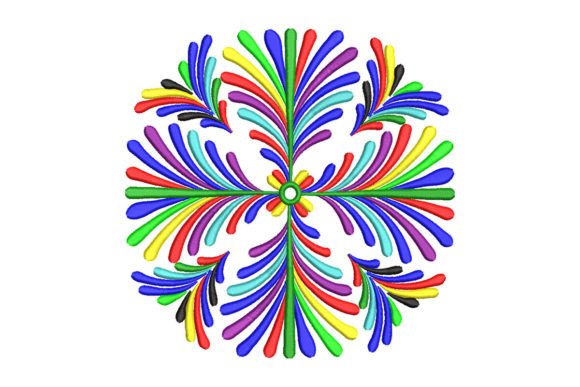
The immediate mood created by this design is vibrant, folk-art inspired, and deeply rooted in tradition. The layout features intricate floral and animal motifs typical of Mexico’s rich textile heritage. What stands out most is the balance between detail and clarity. Many traditional patterns suffer from being too dense, causing the fabric to pull, or too sparse, leaving gaps that show the background material. This design strikes a confident middle ground.
The visual personality is bold yet refined. It doesn’t scream for attention with chaotic lines; instead, it invites the viewer to look closer at the interplay of shapes. For a craft business owner, this is crucial. Customers are drawn to pieces that look professional and intentional. The design’s structure suggests it will hold up well under scrutiny, making it ideal for high-value items where presentation matters.
Real-World Application: The Tote Bag Test
To truly evaluate a design, you have to imagine it on a product. I recently prepared a custom order for a boutique client who wanted a set of eco-friendly tote bags. I chose this tote bag design because its horizontal spread fits perfectly across the center of a standard canvas bag. Using a medium-weight stabilizer, I stitched the design onto natural cotton canvas.
The result was impressive. The fill stitch areas provided solid coverage without excessive bulk, while the satin stitch outlines gave the motifs a crisp, defined edge. The thread colors popped against the neutral background, creating a striking contrast that elevated a simple bag into a statement piece. This is exactly the kind of handmade product that drives engagement on social media and converts browsers into buyers for any Etsy seller.
Versatility Across Product Lines
Beyond tote bags, this design proves its worth across various categories. For custom apparel, such as a denim jacket or a heavy cotton sweatshirt, the design adds a unique cultural flair. I tested it on a chambray shirt, and the stitch density was manageable, though I recommend using a cut-away stabilizer for garments that will be washed frequently. The design holds its shape well, ensuring that the finished product looks fresh even after multiple cycles.
For home decor, consider using this on pillow covers or framed art. The intricate details make it suitable for display pieces where texture and depth are appreciated. If you are creating holiday embroidery gifts, this design works beautifully on kitchen towels or aprons, adding a festive, artisanal touch that mass-produced items lack. It also serves as an excellent base for embroidered patch creation, provided you use a stiff backing to maintain structural integrity.
Technical Considerations and Fabric Choices
While the design is versatile, it is not universal. You must exercise caution when selecting fabrics. On thin or stretchy materials, such as lightweight jersey or silk, the density of the stitches may cause puckering. In these cases, I strongly advise testing on scrap fabric first and using a high-quality tear-away or cut-away stabilizer depending on the garment’s intended use.
Dark fabrics present another challenge. Since the design relies on bright, contrasting colors, stitching it directly onto black or navy fabric might require an underlay or a base layer of white thread to ensure the colors remain vibrant. Without this step, the thread colors can appear muted or muddy. Always check your machine’s tension settings and perform a test run on a similar fabric swatch before committing to the final commercial embroidery piece.
Additionally, be mindful of hoop size. Ensure that your hoop can accommodate the full width of the design without needing to re-hoop, which can lead to alignment issues. If you are working with curved surfaces like caps, consider resizing the design slightly to prevent distortion around the seam.
Enhancing Brand Value and Customer Trust
From a business perspective, the quality of your design assets directly impacts your brand consistency. Using a well-crafted file like Otomi Design Mexican signals professionalism. It shows that you care about the details, which builds customer trust. When buyers see clean stitches and thoughtful design placement, they perceive higher value, allowing you to price your small shop product competitively.
This design also lends itself well to printable mockup creation. Before stitching, you can visualize the final look on various products, helping you market your items more effectively online. High-quality previews attract more clicks and engagement, essential for any digital product seller or creative entrepreneur looking to expand their reach.
Practical Designer Notes
- Test First: Always stitch a sample on scrap fabric to check for thread breaks or tension issues.
- Check Contrast: Ensure your thread colors stand out against the fabric background. Use a color chart if necessary.
- Stabilizer Selection: Match the stabilizer to the fabric weight. Heavy fabrics need less support; light fabrics need more.
- Licensing Verification: Confirm the license terms before selling finished items. While many files allow commercial use, always double-check to protect your business.
- Detail Inspection: Zoom in on the design file to inspect tiny details. Ensure that small elements are not too delicate for your machine’s needle size.
Final Verdict
The Otomi Design Mexican is a robust and visually appealing addition to any designer’s library. It bridges the gap between traditional aesthetic and modern application, making it suitable for a wide range of projects from baby embroidery on onesies to sophisticated framed art. By understanding its technical requirements and leveraging its visual strengths, you can create standout products that resonate with customers. Whether you are a hobbyist looking to personalize gifts or a seasoned craft business owner expanding your inventory, this design offers the reliability and beauty needed to succeed in today’s competitive market. Remember to respect the cultural roots of the motif and execute it with precision to honor its origin while creating something uniquely yours.