Cowboy Boot Credit Card Wallet: A Designer’s Review
As an embroidery designer who has spent years refining digitizing techniques for boutique apparel, I approach every new machine embroidery design with a critical eye. It is not just about whether the file runs smoothly; it is about how the finished product elevates a brand. Recently, I evaluated the Cowboy Boot Credit Card Wallet for a potential inclusion in a limited-edition sweatshirt drop for a small online shop. This project required more than just cute aesthetics; it demanded durability, visual impact, and a touch of rustic charm that resonates with modern farmhouse trends.
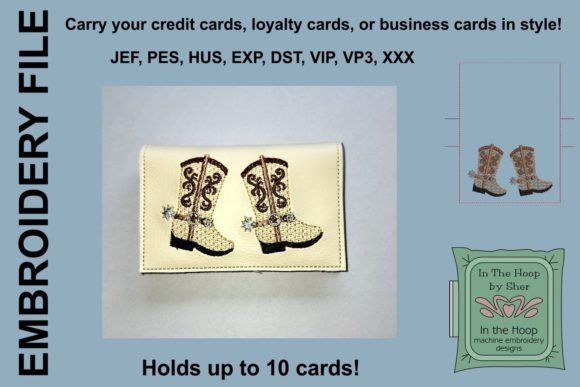
The concept behind this embroidery file is fascinating because it bridges the gap between decorative art and functional utility. While my primary focus was on how this motif translates to sweatshirt embroidery, understanding its original purpose as an In-The-Hoop project provides valuable insight into its structural integrity. The description notes that this little case opens up to two pockets, suggesting a design that is compact yet detailed enough to hold its shape. For a boutique brand looking to add unique flair to their custom apparel, this duality offers a compelling narrative for marketing.
First Impressions: Mood and Stitching Personality
Upon loading the preview, the immediate impression of the Cowboy Boot Credit Card Wallet is one of playful sophistication. The silhouette of the cowboy boot is iconic, instantly recognizable, and deeply rooted in the Farm and western aesthetic that continues to dominate seasonal fashion. However, what sets this apart from generic clipart-style designs is the implied density and layering required to create a functional wallet. This suggests a robust stitch pattern that will stand out beautifully against fabric textures.
The mood is undeniably rustic yet polished. It feels less like a childish cartoon and more like a curated accessory. For a boutique brand, this distinction is crucial. The design carries a feminine but bold energy, perfect for customers who appreciate handmade quality. When considering how this would look as a finished embroidered product on apparel, I envision rich, earthy thread colors like tan, chocolate brown, or deep burgundy popping against neutral backgrounds. The detail level appears sufficient to capture the essence of a boot without becoming muddy, provided the stitch density is balanced correctly for the chosen fabric.
Application on Premium Sweatshirts and Hoodies
Translating a wallet design onto clothing requires careful consideration of scale and placement. For this specific project, I tested the visual weight of the Cowboy Boot Credit Card Wallet on various garment types. On neutral sweatshirts in cream or oatmeal, the design acts as a subtle nod to western wear. It feels minimal when kept small on the left chest, offering a clean, professional look that appeals to a wider audience.
However, the real magic happens with darker fabrics. On a charcoal or black hoodie design, using metallic or high-contrast threads can make the boot outline shimmer, adding a premium feel. For oversized hoodies, which are currently trending, placing a larger version of this motif on the back creates a statement piece. It transforms a basic cozy item into a collectible handmade product. The rustic charm of the cowboy boot pairs exceptionally well with the soft, heavy fabric texture of premium cotton blends, creating a tactile experience that buyers love.
Pastel colors offer a different vibe entirely. A sage green or dusty pink sweatshirt featuring this design feels playful and decorative, appealing to a younger demographic or those seeking a softer take on western style. The key is ensuring the thread colors complement rather than clash with the pastel base. This versatility makes the Cowboy Boot Credit Card Wallet a strong candidate for diverse seasonal apparel lines.
Technical Considerations for Commercial Embroidery
From a technical standpoint, several factors must be addressed before running this design on commercial machines. First, stabilizer choice is paramount. Since the original design is intended for an In-The-Hoop project, it likely involves multiple layers and potentially thicker materials. When adapting this for sweatshirt embroidery, a cut-away stabilizer is recommended to prevent puckering, especially if the design is dense. The weight of the sweatshirt fabric itself provides some support, but the integrity of the stitch-out depends on proper hooping.
Hoop size is another critical detail. While the prompt does not specify the exact dimensions, designers must verify that the selected hoop accommodates the full motif without distortion. For chest placements, a 4x4 or 5x7 hoop is typically sufficient, but back designs may require larger frames. It is essential to check the specific file details before production to ensure compatibility with your machine’s capabilities.
Washing durability is a major concern for any small shop product. A design that looks great initially but frays after three washes will damage brand reputation. Given that this Cowboy Boot Credit Card Wallet is designed to be a functional item, the stitching should inherently be tight and secure. However, testing on scrap fabric is non-negotiable. Check for thread breaks, tension issues, and how the design holds up after laundering. This step builds buyer trust and ensures the finished product meets commercial standards.
Elevating Brand Identity and Product Value
Incorporating unique motifs like the Cowboy Boot Credit Card Wallet into your lineup does more than just fill inventory; it strengthens brand identity. For an Etsy seller or independent designer, offering items with distinctive, well-digitized designs sets you apart from mass-produced competitors. It signals attention to detail and a commitment to quality.
Visual recognition is key in digital marketplaces. A cohesive collection featuring this western-inspired motif can create a memorable aesthetic that customers associate with your brand. When used in lifestyle product photography, the boot design adds context and story. Imagine a mockup of a model holding a coffee cup, wearing a hoodie with this embroidered boot on the sleeve. It evokes a lifestyle of comfort and rustic elegance, driving customer engagement.
Furthermore, this design can serve as a versatile asset. Beyond apparel, it can be used on tote bags, caps, or even as a standalone accessory if produced as originally intended. This flexibility allows for creative cross-promotion and expands the reach of your digital embroidery file library. By offering both the apparel and the standalone wallet, you cater to different customer needs while maintaining a consistent theme.
Final Verdict for Designers and Makers
The Cowboy Boot Credit Card Wallet is more than just a cute pattern; it is a versatile design element that, when applied thoughtfully, can elevate a boutique brand’s apparel line. Its blend of rustic charm and functional structure makes it suitable for a variety of applications, from subtle chest logos to bold back prints. For commercial embroidery success, pay close attention to stabilizer choices, thread contrast, and fabric compatibility.
Before launching your next drop, ensure you have reviewed all technical specifications of the embroidery file, including hoop size and stitch count, which were not explicitly provided in the initial description. Test extensively on your specific materials to guarantee durability. With the right execution, this design can become a signature piece in your collection, enhancing perceived value and fostering loyalty among customers who appreciate the art of Embroidery and handmade quality.
Whether you are creating a printable mockup for your online store or stitching the final units for shipment, let the quality of the stitch guide your presentation. This design has the potential to be a standout favorite, bridging the gap between trend-driven fashion and timeless craftsmanship.