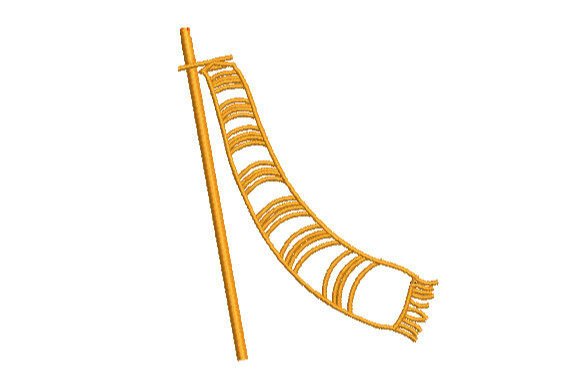
Tung Flag of Northern Thailand: A Designer’s Review
As an embroidery designer who has spent countless weekends standing behind craft fair booths, I have learned that not every digital file translates into a bestseller. The gap between a pretty image on a screen and a product that stops a shopper in their tracks is often defined by clarity, cultural resonance, and production practicality. Recently, I evaluated the Tung Flag of Northern Thailand machine embroidery design to determine its viability for my upcoming handmade market season. This review focuses on how this specific Asia-inspired motif performs in real-world applications, from tote bags to boutique apparel.
First Impressions and Visual Impact
The first thing that strikes you about the Tung Flag of Northern Thailand embroidery design is its inherent boldness. Unlike subtle, minimalist patterns that require close inspection, this design commands attention. It feels festive, decorative, and deeply rooted in tradition. For a craft fair seller, this is crucial. Shoppers walking past a booth have mere seconds to decide whether to stop. A design that exudes cultural richness and vibrant energy acts as a visual hook.
The aesthetic is neither strictly modern nor purely rustic; it occupies a unique space of artisanal elegance. It suggests a story, which is something buyers of handmade products crave. When placed on a neutral background, the intricate details of the flag stand out sharply. However, because it is a complex cultural symbol, it requires respectful presentation. It does not feel "cute" in a childish sense, but rather premium and authentic. This distinction matters when pricing your finished product. Customers are willing to pay more for items that look like curated art rather than mass-produced novelty.
Versatility Across Product Lines
The product description notes that this design is perfect for t-shirts, pillows, bags, hats, aprons, handkerchiefs, and tote bags. In my experience testing similar files, the versatility is indeed high, but success depends on scaling. Here is how I envision this design performing across different categories:
- Tote Bags and Market Bags: This is perhaps the strongest application. A large-scale Tung Flag of Northern Thailand looks stunning on canvas or cotton tote bags. It transforms a simple utility item into a statement piece. The flat surface of a bag allows the stitch density to lay evenly, ensuring the design remains crisp.
- Aprons and Tea Towels: For kitchen textiles, this design adds a touch of global flair. On an apron, it works well as a central focal point. For tea towel embroidery, caution is needed regarding fabric texture. Looped towels can distort small details, so this design shines best on flat-woven linen or cotton blends.
- Apparel and Hats: On t-shirts, the design must be scaled down appropriately to avoid stiffness. For caps, the curved surface presents a challenge. If the design is too wide, it may wrap awkwardly around the crown. I recommend using it as a side accent or ensuring the hoop size matches the cap’s front panel precisely.
- Patches and Pouches: Creating embroidered patches is a trending niche for Etsy sellers. This design’s bold lines make it ideal for iron-on or sew-on patches. Small fabric pouches also benefit from a centered, medium-sized version of the flag, adding perceived value to a small shop product.
Production Practicalities for the Busy Maker
When preparing for a busy craft fair season, batch production efficiency is key. The Tung Flag of Northern Thailand appears to be a design that rewards careful preparation. While the description mentions it comes with multiple formats, it is vital to check the specific stitch count and recommended hoop size before starting a large run. High stitch density can lead to longer machine run times and increased thread breakage if not managed correctly.
One critical consideration is the fabric choice. Dark fabrics can sometimes swallow the finer details of intricate embroidery unless high-contrast thread colors are used. I strongly advise creating a test sample on the exact material you intend to sell. Check how the thread colors interact with the fabric dye. For example, a deep indigo denim might require metallic or bright white threads to make the flag’s details pop, whereas a natural beige canvas might allow for more subtle, traditional color palettes.
Stabilizer selection is equally important. Given the likely complexity of a flag design, a cut-away stabilizer is often safer than tear-away for garments that will be washed frequently. This ensures the embroidery retains its shape and does not pucker over time, maintaining the premium quality customers expect from commercial embroidery.
Marketing and Online Presence
For those selling online, such as Etsy sellers or digital marketplace vendors, the visual appeal of this design is a major asset. It photographs beautifully because of its geometric symmetry and cultural significance. When creating listings, use natural light to highlight the texture of the stitches. A printable mockup can help visualize the design on various products, but nothing replaces a real photo of the finished product.
Incorporate keywords like "Asia," "Northern Thailand," and "cultural embroidery" to attract buyers looking for meaningful gifts. The story behind the Tung flag—often associated with merit-making and temple ceremonies—adds depth to your product description. Educating your customer about the origin of the design can increase engagement and justify a higher price point. It shifts the perception from a simple commodity to a piece of wearable art.
Designer Notes and Final Recommendations
Before committing to a full production run, follow these steps to ensure quality control:
- Test on Scrap Fabric: Always stitch out a sample on the same type of fabric you plan to use for sales. This reveals any tension issues or registration errors.
- Check Thread Contrast: Ensure the thread colors distinguish the different elements of the flag. Poor contrast can make the design look muddy from a distance.
- Review Spacing and Density: Look for areas where stitches are too close together, which can cause puckering, or too far apart, which might show the backing material.
- Confirm Licensing: Since this is a digital embroidery file, verify the commercial license terms. Ensure you are allowed to sell physical finished products made with this design.
- Create Real Mockups: Instead of relying solely on digital renderings, stitch one sample item for your booth display. Seeing the actual texture helps customers appreciate the handmade quality.
The Tung Flag of Northern Thailand is a strong contender for craft fair products. It offers a blend of cultural beauty and visual impact that stands out in a crowded market. By paying attention to fabric texture, stabilizer choice, and appropriate scaling, you can turn this embroidery file into a best-selling item. Whether used on a sturdy tote bag or a delicate handkerchief, it brings a sense of place and tradition to your handmade collection. For the creative entrepreneur, it represents not just a design, but an opportunity to share a piece of heritage through the art of embroidery.