The Butterfly: A Designer’s Review for Craft Fair Success
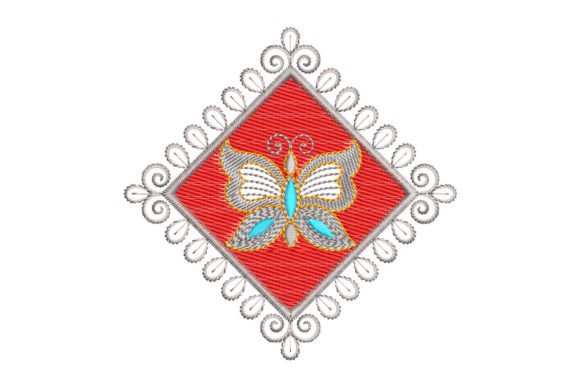
As an embroidery designer who has spent countless weekends behind a booth table, I know that the difference between a browser and a buyer often comes down to visual impact. When I first loaded The Butterfly into my software, I was looking for more than just a pretty picture; I was looking for a reliable craft fair product that could carry a entire display. This machine embroidery design immediately struck me as versatile and enchanting, fitting perfectly into the current demand for nature-inspired decor and accessories. It does not scream for attention with neon brightness but rather invites the viewer in with a sense of grace and delicacy.
First Impressions and Market Fit
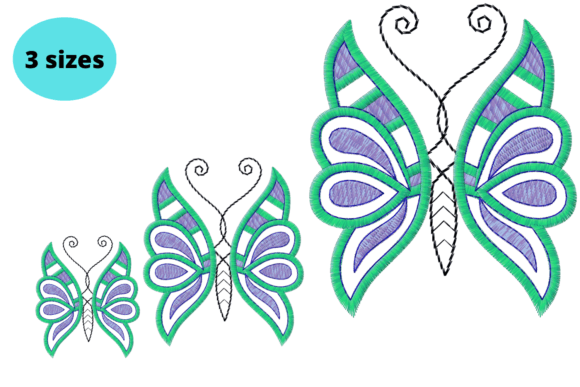
The initial view of The Butterfly suggests a design that leans toward the elegant and soft side of the spectrum. It is not overly rustic or aggressively modern, which makes it a safe yet stylish choice for a wide demographic. For those of us selling in the Bugs category of Embroidery, finding a pattern that feels premium rather than cartoonish is crucial. This design showcases the delicate nature of its subject, making it ideal for customers who appreciate subtle craftsmanship. It feels like a small shop product that belongs in a boutique rather than a big-box store, giving it higher perceived value from the moment a customer spots it on your table.
Versatility Across Product Lines
The true test of any digital embroidery file is how well it translates across different mediums. The Butterfly excels here because its silhouette is clear and recognizable. On a canvas tote bag design, it serves as a beautiful focal point that draws the eye without overwhelming the fabric. I can easily imagine this stitched onto natural cotton or linen, where the texture of the thread complements the weave of the bag. For kitchen enthusiasts, apron embroidery and tea towel embroidery are massive sellers at fairs. The graceful lines of the butterfly add a touch of sophistication to utilitarian items, turning a simple kitchen towel into a giftable heirloom.
Smaller applications are equally promising. An embroidered patch featuring this motif could be ironed onto denim jackets or backpacks, appealing to a younger demographic. For home decor, pillow covers and market bags benefit from the symmetrical balance of the wings. As an Etsy seller, you can also use this design to create cohesive design assets for your online listings, ensuring your brand looks consistent across all platforms. Whether used as a large center piece or a small accent near a hem, the design maintains its integrity.
Production Practicality for Batch Selling
When preparing for a weekend market, efficiency is key. You need designs that are quick to hoop and stitch without constant troubleshooting. The Butterfly appears to have a flow that minimizes excessive jumps, which is vital for batch production. However, every designer must consider stitch density. While the description notes its delicate nature, you must ensure that the density is appropriate for the fabric you choose. If the stitches are too dense on a lightweight tea towel, you risk puckering. Conversely, if they are too sparse on a heavy tote, the backing might show through.
Photography is another critical factor. This design likely photographs well because of its distinct shape. Clear, high-contrast images of the finished product help online buyers understand the quality. A crisp printable mockup can help you visualize the final look before you even thread the needle, saving time and materials. For commercial embroidery purposes, having a design that looks expensive but is relatively fast to produce increases your profit margin significantly.
Careful Use and Technical Considerations
While The Butterfly is versatile, there are technical nuances to address. Delicate designs can sometimes lose clarity if scaled down too far. If you plan to use this on small items like coin purses or baby caps, check the smallest details to ensure they do not merge into a blob of thread. Fabric texture plays a huge role here; textured towels may hide fine details, so a slightly larger scale might be necessary for those items.
Curved surfaces, such as caps, require careful placement. The wings of the butterfly should follow the curve of the cap front to avoid distortion. Additionally, when working with dark fabrics, consider using lighter thread colors to make the design pop, or add a satin border to define the edges. Always use the correct stabilizer for your fabric type. A cut-away stabilizer might be best for stretchy fabrics, while a tear-away could suffice for stable cottons. Ignoring these details can lead to a finished product that looks amateurish, regardless of how beautiful the original design is.
Designer Notes for Best Results
- Test on Scrap Fabric: Never run a new design on your final product without a test stitch-out. Check for registration issues and thread breaks.
- Check Thread Contrast: Ensure your thread choices provide enough contrast against the fabric background to highlight the delicate features of the butterfly.
- Review Spacing: Look closely at the spacing between the wings and the body. Tight areas may need manual adjustment in your software to prevent thread bunching.
- Confirm Hoop Size: Verify that the design fits comfortably within your available hoop size without requiring re-hooping, which can shift alignment.
- Inspect Stitch Density: Adjust density settings if your machine tends to pull lightweight fabrics. Less is often more when aiming for a delicate look.
- Create Real Mockups: Photograph your test stitches on actual products to use in your marketing materials. Real photos sell better than digital renders.
- Compare Fabric Colors: Stitch the same design on three different fabric shades to see which combination offers the best visual appeal for your target audience.
- Confirm Commercial Licensing: Before selling any handmade product featuring this design, verify the license terms provided with the embroidery file to ensure you are compliant.
In conclusion, The Butterfly is a strong contender for any embroidery business owner looking to expand their craft fair product lineup. Its blend of elegance and versatility allows it to shine on everything from aprons to pillow covers. By paying attention to technical details like stabilizer choice and stitch density, you can transform this digital asset into a high-value physical item that customers will love to take home. It is not just a design; it is a tool for building a cohesive and attractive brand presence in the competitive handmade market.