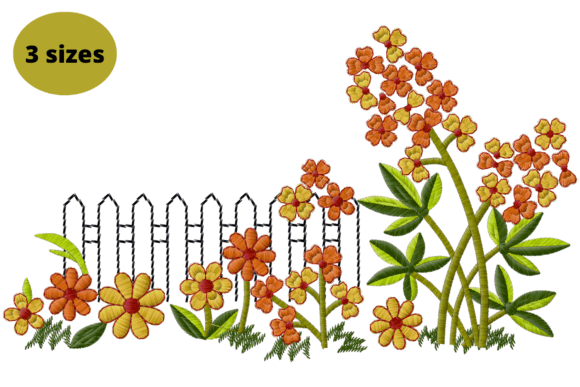
Rٌٌose Garden: A Designer’s Review for Craft Fair Success
As an embroidery designer who has spent countless weekends behind a booth table, I know that not every design translates into sales. Some look stunning on a screen but disappear in person. Others are too dense to stitch efficiently during a busy production week. Today, I am reviewing Rٌٌose Garden, a new machine embroidery design that promises intricate details and a beautiful rose garden aesthetic. My goal is to determine if this floral wreath pattern is a viable asset for your handmade product line, specifically for craft fair sellers, Etsy shop owners, and boutique makers.
First Impressions: Elegance Meets Marketability
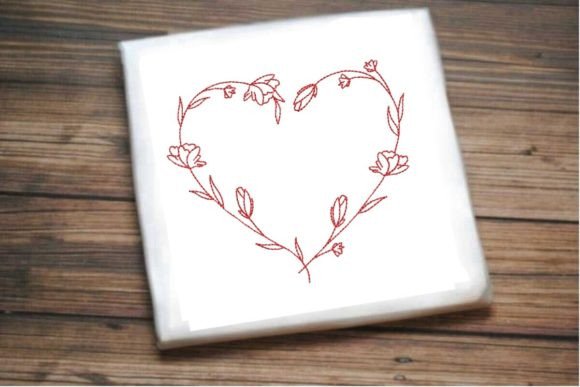
When I first loaded the Rٌٌose Garden embroidery file into my digitizing software, the immediate impression was one of refined elegance. This is not a cartoonish or overly modern minimal design; it leans heavily into a classic, romantic aesthetic. The title suggests a lush collection of blooms, and the description confirms intricate details suitable for clothing, furnishings, and towels. For a craft fair environment, this type of design signals "premium" to the buyer. It feels decorative and soft, appealing to customers looking for giftable handmade items that carry a sense of timeless beauty.
The categorization under Floral Wreaths is accurate, but the execution seems to go beyond a simple circle. It appears to be a composition that could work as a focal point. For small shop products, this visual weight is crucial. It needs to stop a passerby in their tracks. A delicate, intricate rose garden does exactly that by inviting closer inspection, which is the first step in converting a browser into a buyer.
Product Applications: Where Rٌٌose Garden Shines
To maximize return on investment, you must place the right design on the right product. Based on the intricate nature of Rٌٌose Garden, here is how it performs across various craft fair staples:
- Tote Bag Design: This is arguably the strongest candidate. A large hoop size allows the intricate details of the rose garden to breathe. On a natural canvas tote, the thread colors will pop, creating a high-value artisanal look that justifies a higher price point.
- Apron Embroidery: Positioning the design on the bib or the lower corner of a full-length apron creates a sophisticated kitchen aesthetic. It appeals to the "farmhouse chic" demographic that frequents handmade markets.
- Tea Towel Embroidery: While beautiful, caution is required. The description mentions suitability for towels, but intricate details can get lost in the looped texture of terry cloth. This works best on smooth flour sack towels where the stitch definition remains crisp.
- Embroidered Patch: If the design is scaled down correctly, it makes for a stunning iron-on or sew-on patch. However, you must ensure the stitch density is adjusted so the patch does not become stiff or bulky.
- Pillow Covers: A central placement on a linen pillow cover turns a basic home good into a statement piece. This is ideal for customers looking to refresh their living space with organic, floral motifs.
Production Practicality for the Busy Maker
As a commercial embroidery producer, efficiency is key. You need designs that are repeatable for batch production without constant thread breaks or trimming nightmares. Rٌٌose Garden features intricate details, which implies a higher stitch count. Before committing to a large run of finished products, you must evaluate the stitch density. High density can cause puckering, especially on lighter fabrics like cotton voile or thin tea towels.
Photography is another critical factor for the Etsy seller. Intricate designs photograph beautifully because they catch the light and show off the texture of the thread. When creating your printable mockup or digital embroidery file listings, ensure your lighting highlights the dimensionality of the roses. A flat photo will not do justice to the depth this design likely offers.
Careful-Use Notes and Technical Considerations
While the aesthetic appeal is high, there are technical hurdles to consider. Because Rٌٌose Garden showcases intricate details, it may not scale down well. Small lettering or tiny flower centers might merge into a solid blob if reduced too much for a small pouch or cap. Always test the design on scrap fabric before cutting into your final material.
Consider the following technical adjustments:
- Fabric Texture: Avoid highly textured fabrics like heavy burlap or thick waffle weave for this specific design. The intricate stitches need a smooth surface to maintain clarity.
- Stabilizer Choice: Use a high-quality cut-away stabilizer for garments that will be washed frequently, such as aprons and tote bags. For hooped items like pillow covers, a tear-away might suffice, but test for stability first.
- Thread Contrast: Choose thread colors that offer sufficient contrast against your fabric. If stitching on dark fabric, ensure the design includes enough light-colored threads to remain visible from a distance.
- Curved Surfaces: Stitching this on a curved cap surface requires careful hooping. The intricate details may distort if the fabric shifts. Use a cap frame and consider simplifying the design if distortion occurs.
Enhancing Brand Consistency and Buyer Engagement
Incorporating Rٌٌose Garden into your product line can strengthen your brand identity if you position yourself as a provider of elegant, nature-inspired goods. Consistency in using similar floral themes across your booth display creates a cohesive visual story. When customers see a matching set of embroidered towels, a tote, and a patch, they perceive a curated collection rather than random items. This increases the perceived value and encourages bundle purchases.
For digital sellers, offering this as a design asset alongside finished products can diversify your income stream. However, always confirm commercial licensing before selling finished products. If you are buying the digital embroidery file from a third party, read the terms carefully. Some licenses allow unlimited physical sales, while others have caps.
Final Verdict for the Craft Fair Booth
Rٌٌose Garden is a strong contender for your next craft fair lineup. Its strength lies in its ability to convey quality and attention to detail. It is not a quick, low-effort fill; it is a statement piece. To succeed, focus on larger surface areas like tote bags and aprons where the intricate details can be fully appreciated. Avoid overcrowding the design on small items unless you verify the scalability.
Remember to create at least one real mockup to test hoop size and thread tension. Compare fabric colors to find the perfect backdrop for the rose hues. If managed correctly, this design will not only enhance your booth display strength but also drive buyer engagement through its undeniable visual appeal. It is a design that respects the craft, offering a blend of traditional beauty and modern marketability that serious handmade shop owners will appreciate.