Funny Emoji: A Craft Fair Designer’s Review
As an embroidery designer who has spent countless weekends standing behind booths at local markets, I have learned that the difference between a browser and a buyer often comes down to immediate visual impact. When I first loaded the Funny Emoji machine embroidery design into my software, my initial reaction was one of relief mixed with excitement. In a sea of intricate florals and complex monograms, this cool and simple embroidery design offers a refreshing break. It is bold, modern, and undeniably cheerful. For those of us running small shop products or managing busy Etsy seller accounts, simplicity is not just an aesthetic choice; it is a production necessity.
First Impressions and Visual Appeal
The title says it all: this is a funny, lighthearted addition to your digital embroidery file library. The design does not try to be elegant or rustic. Instead, it leans heavily into modern pop culture aesthetics. When evaluating a new asset for my commercial embroidery lineup, I look for designs that communicate their message instantly. Customers walking past a craft fair booth have mere seconds to decide if they will stop. The Funny Emoji design succeeds here because it is universally recognizable. It feels decorative yet minimal, avoiding the clutter that can sometimes plague embroidered items.
This type of design fits perfectly into the Clothing category, but its versatility extends far beyond apparel. It creates adorable items that appeal to a wide demographic, from teenagers looking for trendy accessories to adults seeking a touch of humor in their home goods. The simplicity ensures that the stitch density remains manageable, which is crucial for maintaining high-quality output across different fabric types.
Product Applications for Maximum Sales
To truly evaluate the potential of this design, I imagined setting up a table display with various handmade products. Here is how I see the Funny Emoji performing across different items:
- Tote Bag Design: This is perhaps the strongest application. A large, centered emoji on a canvas tote bag creates an instant statement piece. It is easy to read from a distance and photographs beautifully for online listings.
- Apron Embroidery: Kitchenware with personality sells well. Placing this design on a bib apron adds a playful touch that resonates with home cooks who do not take themselves too seriously.
- Tea Towel Embroidery: While effective, caution is needed here. The fabric texture of terry cloth or waffle weave can distort small details. I recommend using a cut-away stabilizer to ensure the design remains crisp.
- Embroidered Patch: Patches are low-risk, high-reward items for craft fairs. This design works exceptionally well as an iron-on or sew-on patch because the shapes are bold and do not rely on fine lines that might get lost in the backing material.
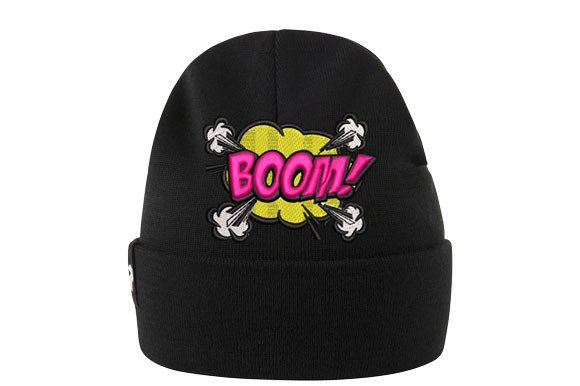
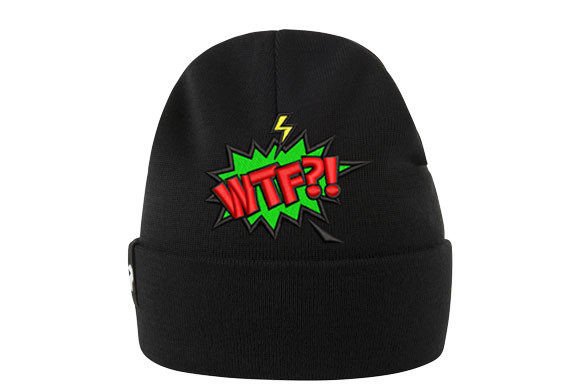
- Caps and Hats: Curved surfaces are tricky. Because this design is described as simple, it likely avoids excessive pull issues, making it a viable option for front-panel cap embroidery.
For boutique makers, creating a cohesive line of small pouches and pillow covers featuring this motif can drive impulse buys. It serves as an excellent entry-level product for customers who are hesitant to spend more on larger garments.
Production Practicality and Batch Efficiency
From a business owner’s perspective, time is money. The description notes that this machine embroidery design comes with multiple embroidery file formats, which is essential for compatibility across different machines. However, the true value lies in its repeatability. Because the design is not overly dense, it stitches out relatively quickly. This allows for efficient batch production, meaning you can hoop multiple items and run them through your machine with minimal supervision.
When preparing for a weekend craft fair booth, I prioritize designs that are forgiving. The Funny Emoji appears to have clear boundaries and solid fill areas, reducing the risk of thread breaks or nesting issues. This reliability is key when you are producing fifty identical tote bags under a tight deadline. Furthermore, the design’s bold nature means it looks good even if the tension is slightly off, providing a safety net for less experienced operators.
Careful-Use Notes and Technical Considerations
While the design is user-friendly, there are technical aspects to consider before launching your finished product line. Always check the specific stitch count and recommended hoop size provided in the download package, as these details were not explicitly stated in the brief description. Here are some practical tips for best results:
- Fabric Contrast: Ensure high contrast between your thread colors and the fabric. A yellow emoji on a white tote may vanish in photos. Test on dark fabric to see if underlay stitches are sufficient to prevent show-through.
- Stabilizer Selection: For stretchy fabrics like t-shirts, use a tear-away or cut-away stabilizer depending on the garment's longevity requirements. For woven items like tea towels, a light cut-away provides the best support without adding bulk.
- Small Details: If the emoji includes small facial features, verify that they do not become too tiny when scaled down for smaller items like pouches. Loss of clarity at smaller sizes can make the design look muddy.
- Thread Quality: Use high-quality rayon or polyester threads to maintain the vibrancy of the colors. Dull threads can make a "funny" design look dated or cheap.
Enhancing Brand Consistency and Buyer Engagement
Incorporating the Funny Emoji into your product mix can strengthen your brand identity if you position yourself as a fun, approachable maker. It invites interaction. Customers are more likely to pick up an item that makes them smile, leading to higher engagement at your booth. For online sellers, this design is highly shareable on social media platforms where visual humor thrives.
When creating your printable mockup or digital assets for Etsy listings, place the design in lifestyle settings. Show the embroidered patch on a denim jacket or the tote bag being used at a farmer’s market. This helps buyers visualize the product in their own lives. Remember, while the design itself is simple, the perceived value comes from the quality of your execution and the uniqueness of your product presentation.
Before finalizing your inventory, always review the commercial licensing terms included with the digital embroidery file. Confirm that you are allowed to sell finished physical products made with this design. Most designers permit this, but it is crucial to verify to protect your business. By combining this playful design with high-quality materials and thoughtful production techniques, you can create a standout product line that appeals to the modern consumer’s desire for both style and substance.